12-Week Beginner Calisthenics Programme
This 12-week online calisthenics programme is designed to help you build strength, control and confidence through structured bodyweight training. Whether you're moving from gym training into calisthenics or looking for a clear beginner programme, you'll develop the foundations needed to progress safely.
If you already have gym experience but want to move into calisthenics, this programme gives you clarity.
By the end of the 12 week strength programme, you will:
-
Perform stronger pull-ups with better technique
-
Improve your handstand strength and wall handstand control
-
Build core stability and body control through foundational calisthenics positions
-
Develop the strength required for more advanced calisthenics skills

Why Most People Struggle With Calisthenics
THE PROBLEM
Most people don’t start calisthenics because they’re not sure where to begin.
And those who do often end up giving up because:
-
they copy workouts that weren’t designed for them
-
they focus on skill work before building the strength to support it
-
they train without a clear progression, so nothing really moves forward
It’s not a lack of effort or motivation.
It’s simply a lack of structure.
Calisthenics works best when the foundations are built first.
THE SOLUTION
It’s having a clear starting point and a structured way to progress.
This programme is designed to take away the guesswork.
Instead of jumping between random workouts or rushing skills, you focus on building the strength, control and positions that calisthenics is built on. You understand what you’re doing and why and each week builds on the last.
WHAT YOU NEED
-
A consistent training schedule
-
Exercises scaled to your current level
-
Time spent building proper strength and control
-
A clear progression so you know you’re moving forward
What's Included in the 12-Week Online Calisthenics Programme
12-Week Calisthenics Programme Structure

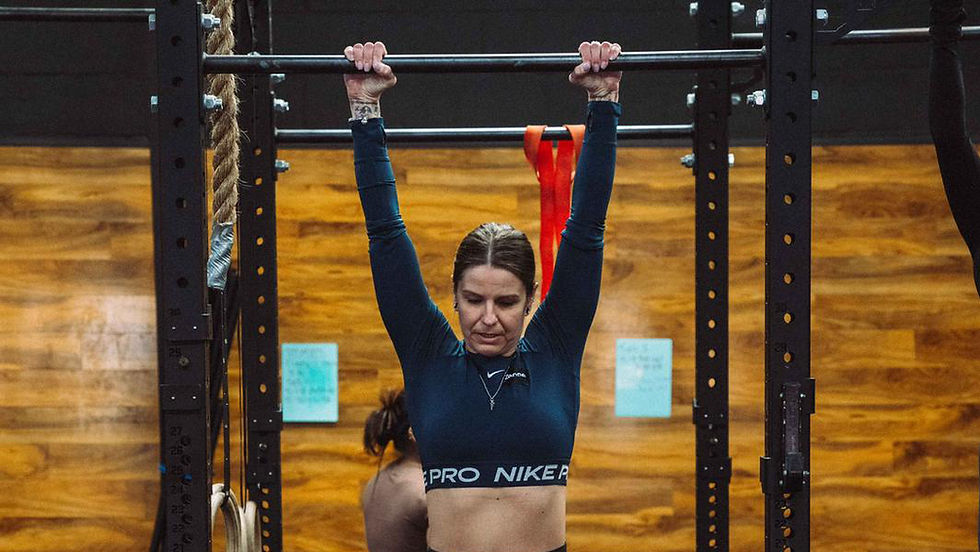
Weeks 1–3: Build Strong Calisthenics Foundations
During the first block you'll develop the strength, stability and body control required for safe calisthenics training.
-
Builds strong calisthenics foundations
-
Core stability
-
Scapular control (isolated and within movement ie exercises)
-
Learn basic movement patterns
-
Scap awareness to hangs, rows, push ups, and pull up prep
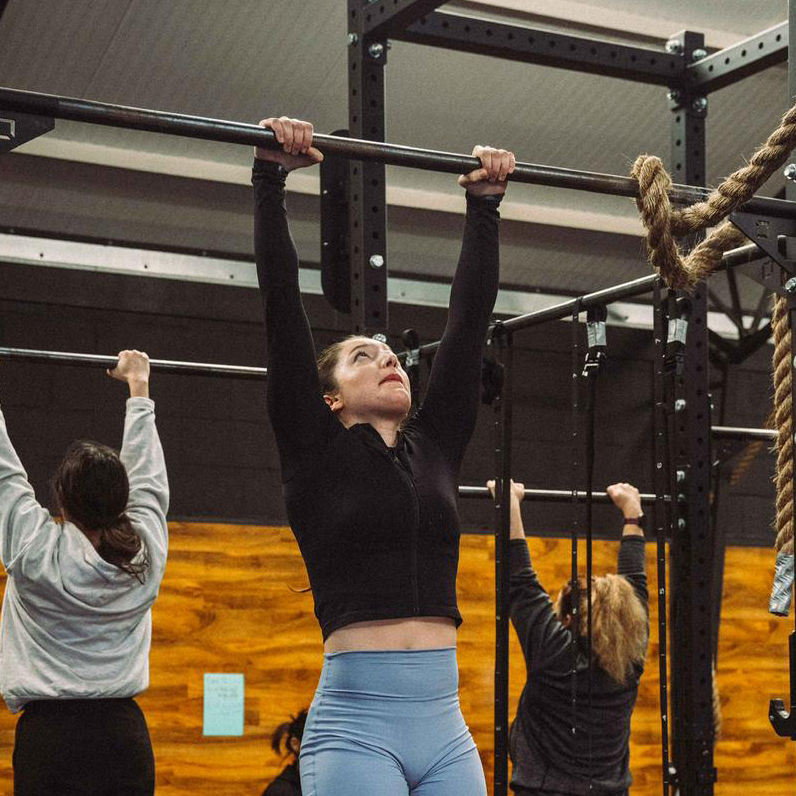
Weeks 4–6: Develop Strength and Control
Increase your bodyweight strength, improve movement control and learn to create full-body tension, giving you the confidence to perform exercises with better technique and stability.
-
Develop full-body tension and control
-
Improve strength through increased range of motion
-
Scapular control under load (active hangs, controlled push patterns)
-
Build confidence supporting bodyweight
-
Introduce smoother transitions between movements
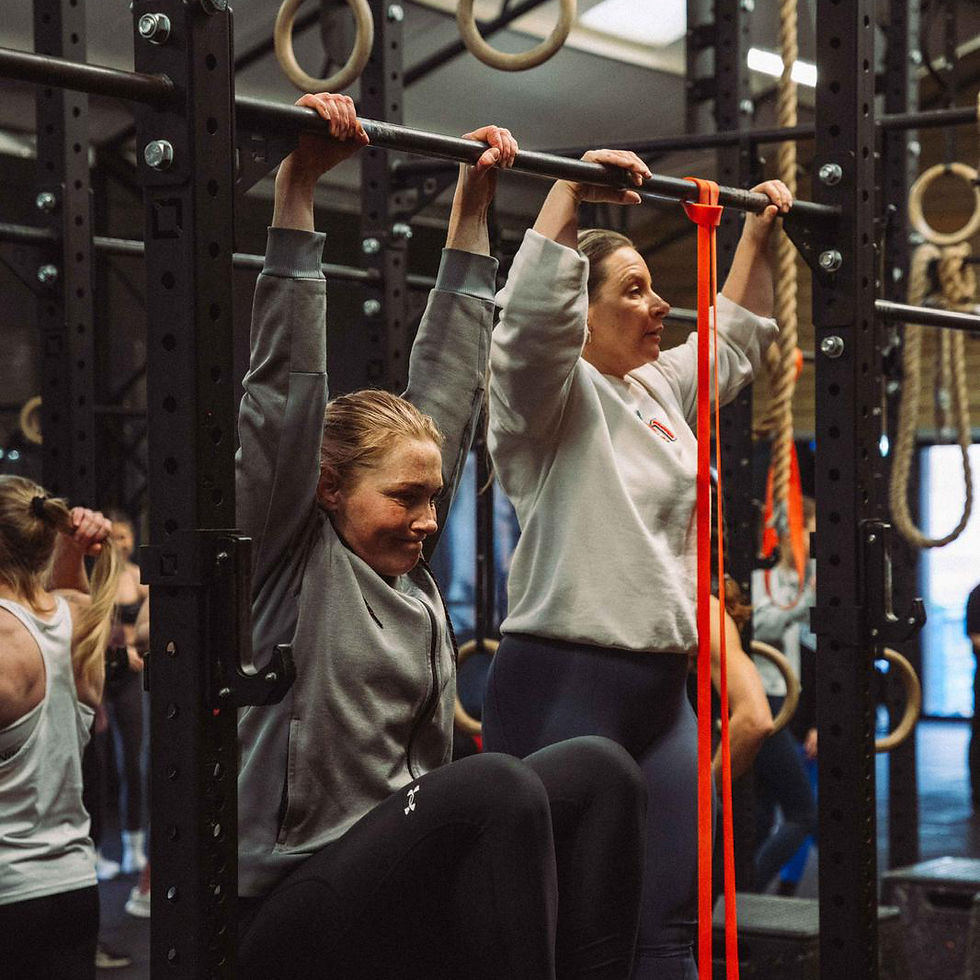
Weeks 7–9: Integrate Strength and Skill
Start applying your new strength to key calisthenics skills, progressing towards more challenging movements while improving control, consistency and overall movement quality.
-
Skill development and strength integration
-
Progress towards assisted pull-ups and deeper push up variations
-
Improved control exercises
-
Reduce reliance on regressions
-
Increase consistency and quality of reps
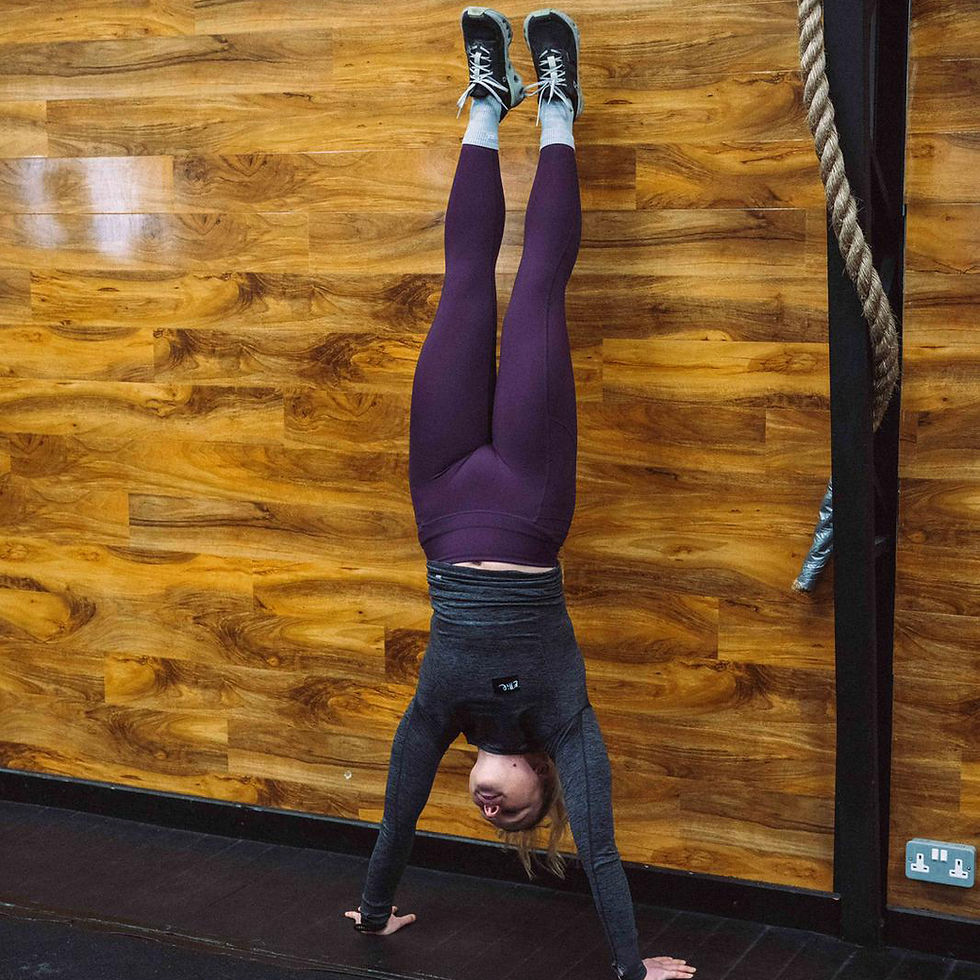
Weeks 10–12: Build Confidence and Independence
Bring everything together by refining your technique, increasing strength endurance and performing foundational calisthenics movements with greater confidence, control and independence.
-
Build strength endurance and movement confidence
-
Refine technique and efficiency across skills
-
More challenging variations with better control
-
Feel confident performing key calisthenics skills independently
Join the online 12 week calisthenics programme
Required Training Background
-
Training consistently 2–3+ times per week
-
Comfortable following a structured programme
-
Familiar with basic gym or bodyweight movements
At a minimum, you should be able to:
-
Complete band-assisted pull-ups confidently, maintaining shoulder control and full range without excessive swinging or kipping.
-
Perform push-ups to an elevated surface with consistent body tension, controlled tempo, and no breakdown in form (no sagging hips or flared elbows).
Join the programme today.
Start tomorrow. Easy as that!
-
ENTER YOUR EMAIL
-
RECEIVE PROGRAMME DETAILS
-
DOWNLOAD THE TRUECOACH APP
FAQs
Follow the programme as written and prioritise quality over quantity. Movement quality always comes first, so focus on control, positioning, tempo, consistency and full range of motion where appropriate.
A technically clean rep is far more valuable than forcing extra reps with poor positioning or control. Don't rush progressions before you've earned them, and never force positions.
Try not to randomly add extra skill work, swap exercises or skip foundational work.
The "boring basics" are often exactly what build the strength, control and movement patterns you need for higher-level skills later on. Trust the process and give the programme time to work.
Stop at technical failure, rather than waiting until you physically can't complete another rep.
If your positioning, control or movement quality starts to break down significantly, the set is finished. We want high-quality practice, not survival reps.
The first number is the number of sets, and the second is the number of repetitions.
For example:
3 x 10 Push Ups = 3 sets of 10 push ups.
Rest periods will be listed in the programme where needed.
Please log your:
-
Sets
-
Reps
-
Load used, if applicable
-
RPE
-
Any useful notes
Keeping an accurate record makes it much easier to track your progress and spot patterns over time.
-
RPE stands for Rate of Perceived Exertion. It's a simple way of describing how difficult a set felt and roughly how many good-quality reps you had left.
-
RPE 10: Maximal effort — no reps left
-
RPE 9: Around 1 rep left
-
RPE 8: Around 2 reps left
-
RPE 7: Around 3 reps left
Most of your work should feel challenging but controlled. The goal isn't to hit failure on every set.
-
Individual exercise feedback isn't provided through TrueCoach messages.
All coaching feedback, form reviews, education and Q&A support take place inside the Cali Club community, where there is dedicated time and space to give you more useful feedback.
Programme-specific issues can also be raised during your coaching sessions.
The Cali Club is a big part of the coaching experience and is the main place for support outside your sessions.
You can use the community to:
-
Ask calisthenics and programming questions
-
Clarify technique
-
Understand why exercises or progressions are programmed in a certain way
-
Learn progressions and technical coaching cues
-
Share wins
-
See how other members are progressing
-
Learn from common mistakes and coaching points
One of the biggest benefits of group coaching is learning alongside people working towards similar goals. Often, someone else will ask a question you didn't even realise you needed answered.
-
No. The Cali Club isn't designed as a 24/7 coaching chat, so don't worry if you don't receive an immediate response.
I'd actually recommend muting the group chat so you're not overwhelmed by notifications. You can then check in when it suits you, post questions and make use of the dedicated feedback and Q&A times.
The goal is to create an environment where everyone feels supported, educated and motivated while developing high-quality movement together. Seeing other members work through challenges, improve their movement, build confidence and trust the process can be hugely valuable for your own progress too.